Generating slides with nascent AI capabilities—and adapting our ways of working to build it
For consultants, slides are not just presentations—it’s how they think, structure analysis, and communicate strategy to clients.
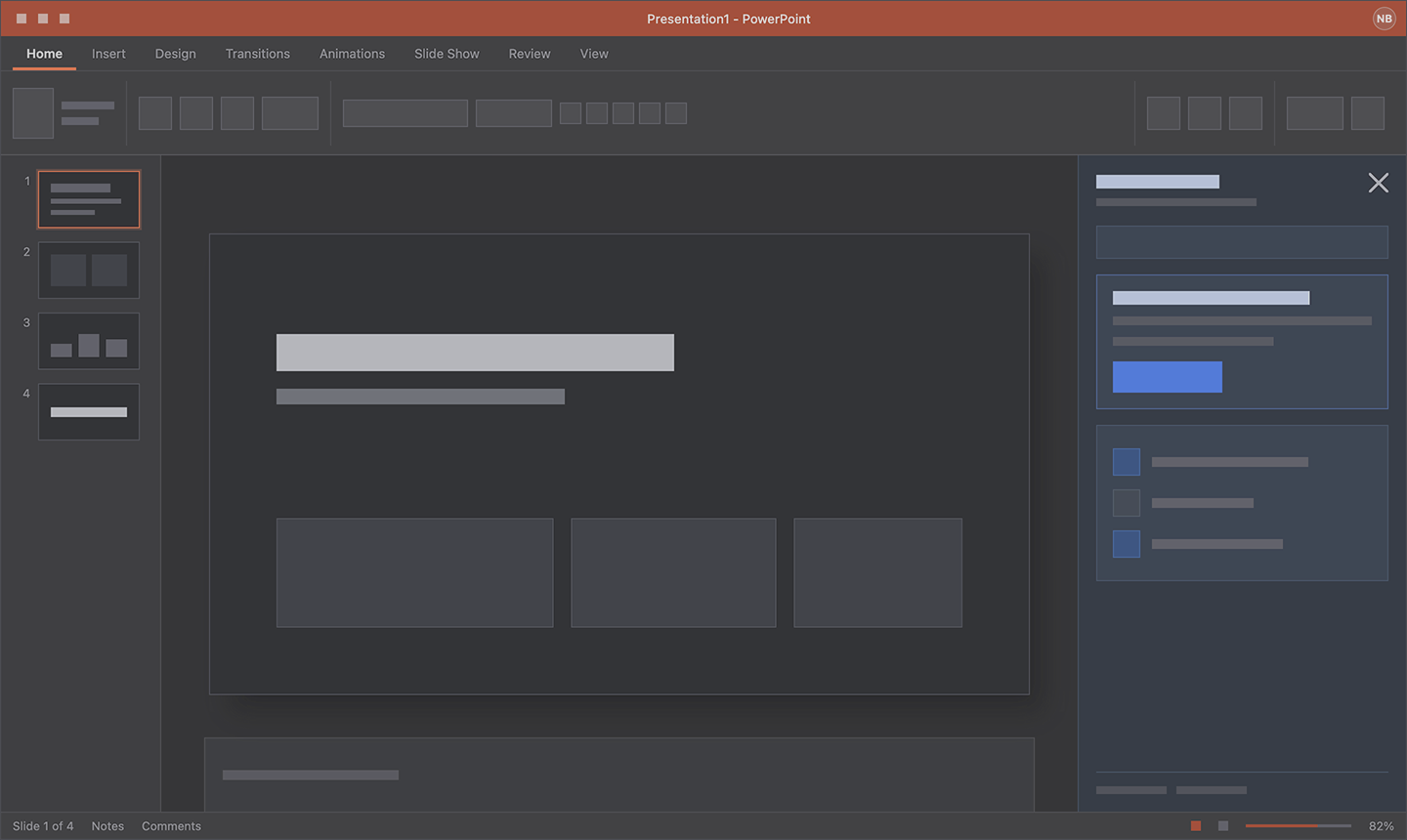
BCG wanted to use generative AI to improve how 30,000 consultants created one of the firm’s most important outputs: PowerPoint slides. Rather than introduce another standalone tool, our team embedded an AI assistant directly into the environment where consultants already structured analysis and communicated recommendations.
Principles and ways of working
I organized the product around three durable parts of the consultant workflow—Finding, Creating, and Refining—giving the team a framework for prioritizing ideas, directing research, and managing rapidly expanding stakeholder expectations.
[image-1]
Because model capabilities and technical feasibility changed rapidly, I also made changes to how our team collaborated to make everyone a designer. We separated technical experiments from committed development, broadened design critique into cross-functional product critique, and created a nontechnical prompt-testing tool so strategy consultants could improve outputs without consuming engineering capacity.
[image-2]
- Expanded from 300 beta users to nearly 3,000 users in three months, while usage and satisfaction remained healthy.
- Established a product framework that focused research and roadmap decisions around real authoring tasks.
- Enabled non-engineers to iterate on prompts directly, accelerating learning and protecting engineering time.
- A global rollout to more than 30,000 employees was scheduled for soon after my departure.